
Hi everyone. As a reintroduction, my name’s Samantha and I’m the owner of Beauty Queen Bar
Most of you wouldn’t be aware that I suffer from mental health issues – Depression, anxiety, social anxiety and PTSD. Self care is a journey I have just set upon in the last 12 months and I wanted to share this with you.
Self-care describes the actions you implement take to reach your personal, optimal, physical and mental health. Mental health professionals often use the term self-care to refer to one’s ability to take care of the activities of daily living, such as eating regularly, showering, brushing your hair, wearing clean clothes, and attending to medical concerns. Physical self-care, such as sleep and exercise, is also a activity of daily living.
Self-care can also refer to activities that an individual engages in to relax and attain emotional well-being, such as meditating, journaling, or visiting a counselor.
Extended failure to care for yourself can result in illness or hospitalization. Men and women, even children who find it difficult or are struggling to take care of their own needs may find it helpful to speak to a therapist.
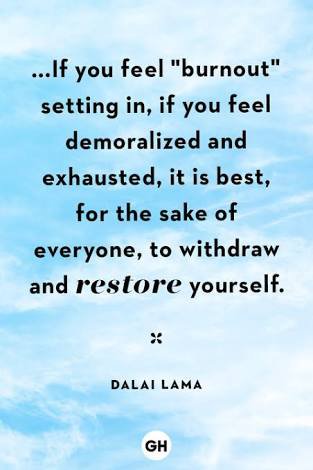
UNDERSTANDING SELF-CARE
Self-care can include activities such as getting a haircut or massage, taking a walk or eating your favorite healthy food, as well as attending to one’s basic daily needs. People who experience difficulty with self-care for several reasons:
Depression can sometimes inspire a lack of care for one’s condition: a loss of appetite or motivation, a lack of energy, or a sense of self-loathing. All of these can impair the ability to care for one’s self.
Survivors of abuse or violence may find it challenging to maintain good self-care habits.
Cognitive declines associated with dementia can impair self-care skills.
Psychosis, a split from reality that may include hallucinations or delusions, can often have an affect on one’s ability to care for oneself.
If you’re experiencing any or all of the above, please engage with your G.P to discuss a mental health plan.
People all have different requirements for self-care, but in general, the goals of self-care are to find a state of good mental and physical health, reduce stress, meet emotional needs, maintain relationships, both romantic and platonic, and find a balance between your personal and academic or professional life.
Self-care, is by no means a selfish act. I practice it daily and encourage everyone to do the same. It’s imperative xx
People who do not take care of their own emotional and physical needs before attempting to resolve those of others may begin to experience a decline in their own emotional or physical state.
People who care for others, either professionally or in your personal life, may find themselves especially drained if they do not devote enough time to self-care. Once they have met their own needs, they may often find themselves better able to assist others in meeting their needs.
Taking care of the emotional self by managing anxiety, anger, sadness, and other feelings is also an important aspect of self-care. This type of self-care can often be accomplished by setting boundaries with people, especially those people who are not positive or supportive and may have a negative effect on one’s mental state. Again I highly recommend seeing your doctor if this are overwhelming.
Good, healthy relationships can help an individual maintain a positive frame of mind, but friends who only want to fulfill their own needs or family members who leave an individual feeling exhausted or depressed will likely not help an individual’s mental or emotional state to improve. Someone who has trouble meeting emotional self-care needs may find it helpful to limit time with people who are neither supportive nor helpful.
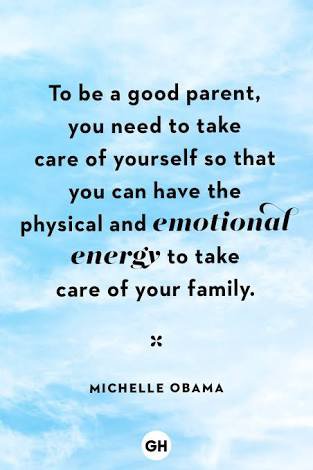
WHY SELF-CARE IS IMPORTANT
Sometimes people attempt to meet the needs of family members, employers, children, friends, or society in general before meeting their own needs, and working to please and care for others often interferes with one’s self-care routine and can take a toll on a person’s well-being.
People who have dependent personalities or experience depression, codependency, or anxiety may also fail to meet their self-care needs. However, self-care is often considered to be an important aspect of resiliency: those who are able to adequately meet their needs are often able to better cope with everyday stressors.
Because people who are able to meet their own physical and emotional needs are typically better equipped to care for others, it may be especially important for parents of children with behavioral challenges or other special needs to maintain a self-care routine.
Fatigue, stress, anxiety, and worry may have a significant effect on well-being, but attending to physical and emotional needs may help prevent or reduce the effects of these issues, foster self-compassion, and leave parents more able to meet the needs of their child.
Self-care behaviors may also help mental health professionals and other health care providers avoid compassion fatigue, which can often result from work in a high-stress or traumatic environment and may lead to self-doubt, self-blame, and ethical or legal complications.
Individuals in a transition phase or those who are facing changing circumstances may neglect self-care.
Self-care skills may also lead to resiliency that continues to have a positive effect throughout life.
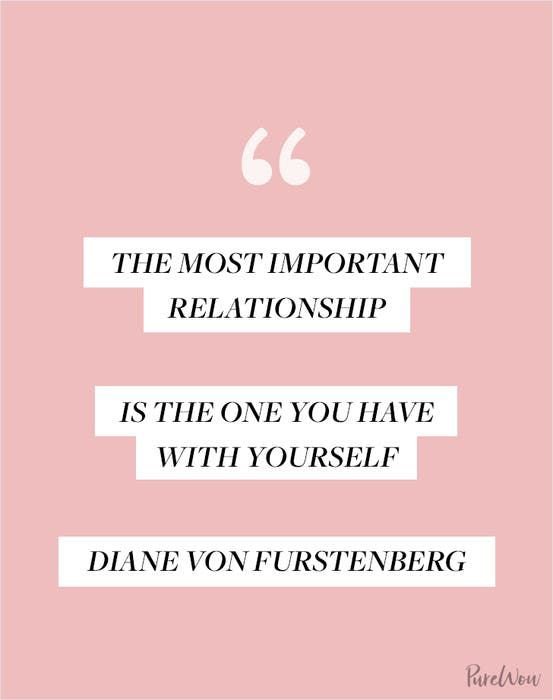
HOW THERAPY CAN HELP WITH SELF-CARE
Therapy can often uncover the root of a failure to care for one’s self. If depression is the cause, therapy can typically help relieve symptoms of depression and improve one’s mood, which will generally lead to one becoming able to meet self-care needs once again.
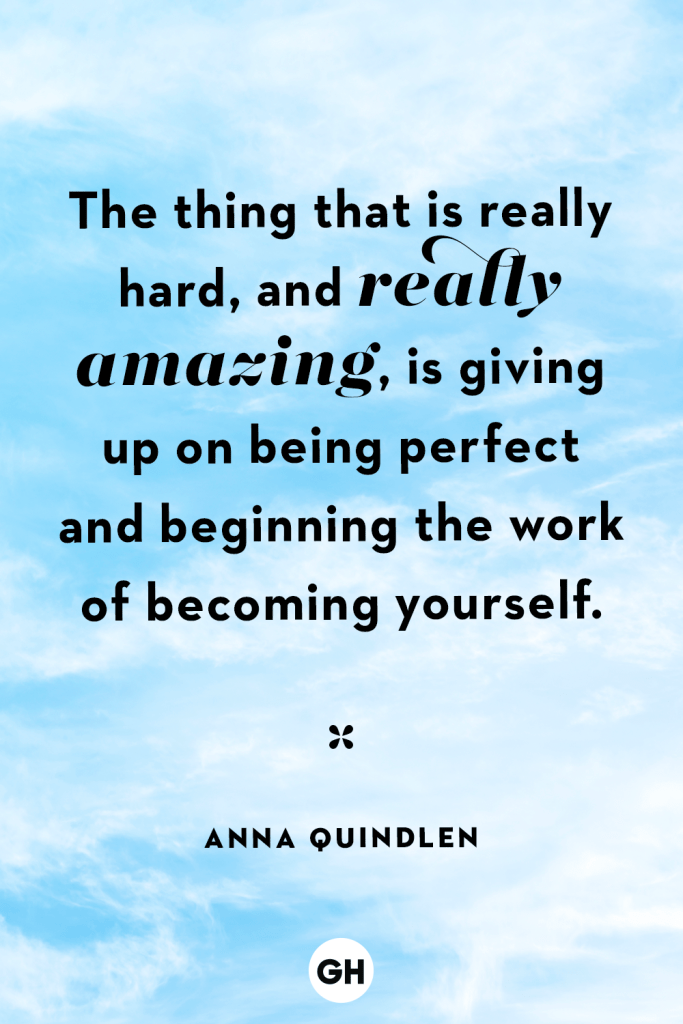
Here are some ideas for self-care:
1. Simplify your schedule.
Are you over-committed? Are there things that you need to let go? Ask yourself which activities and relationships are truly adding value to your life, and intentionally make space for those things.
2. Do something that energizes your body.
Stretch, swim, run, do yoga, or whatever physical activity you enjoy. Exercise is a key part of self-care.
3. Take a long, warm bath.
While you’re at it, light a candle, read a magazine, listen to soothing music.
4. Create a Gratitude List.
Write down all the things that you’re thankful for.
5. Meet with a counselor.
This could be a psychologist, therapist, or spiritual mentor.
6. Unplug for a day.
Go on a media and technology fast, and turn off any unnecessary electronic devices.
7. Stretch.
Find the kinks and tension spots in you body, and stretch them out.
8. Do something new.
Have you been considering learning a new skill or trying a new hobby? Go for it.
9. Practice mini-meditation.
Begin or end your day with a minute of deep breathing, and focused awareness of your body, thoughts, and feelings.
10. Dance it out.
Put on your favorite dance music, and shake your body.
11. Write or journal your thoughts.
Take 10 minutes, and jot down whatever is on your mind. Mentally release those things as you write.
12. Get quality time with a quality person.
Hang out with someone who you love. If they’re far away, give them a phone call.
13. Be still.
Find a quiet place outside, and embrace the stillness.
14. Practice a full day of Sabbath rest.
Take a full day to rest and rejuvenate.
15. De-clutter.
Choose a place — your email inbox, your desk, a closet — and get rid of the excess and junk.
16. Do an activity mindfully and slowly.
Savor the moment, and experience your activity with attentiveness.
17. Take a walk.
Explore your area at a leisurely pace.
18. Reflect on your personal mission statement.
If you don’t have a personal mission statement, create one.
19. Enjoy a piece of chocolate or a glass of wine.
Better yet, enjoy both together.
20. Sleep.
Take a nap, go to bed earlier, give your body some extra rest.
This one’s my personal favourite lol

I hope this helps ❣️✨ take care and remember to seek help from you doctor if things are overwhelming. I do it often and highly recommend this.
Sammi xx
.
 Beauty Queen Bar